Italy is a peninsula in southern Europe shaped like a boot, stretching into the Mediterranean Sea. With a history spanning over three millennia, it is home to some of the most influential civilizations the world has ever known, from the Roman Empire to the Renaissance city-states. Rome, the capital, was once the center of the known world, and its ruins — the Colosseum, the Pantheon, the Forum — still draw millions of visitors every year. Italy is also home to two independent states within its borders: Vatican City and San Marino.
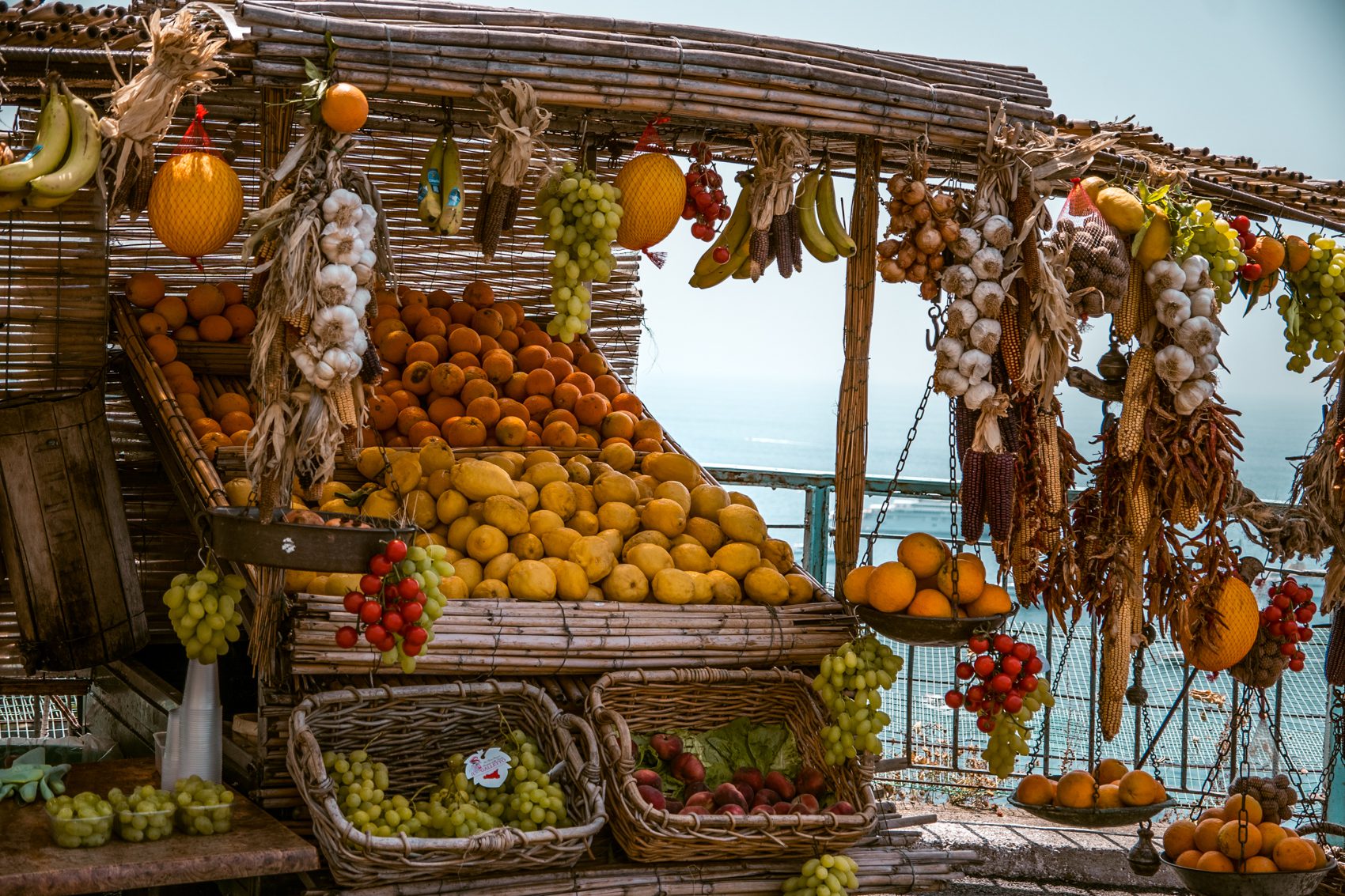
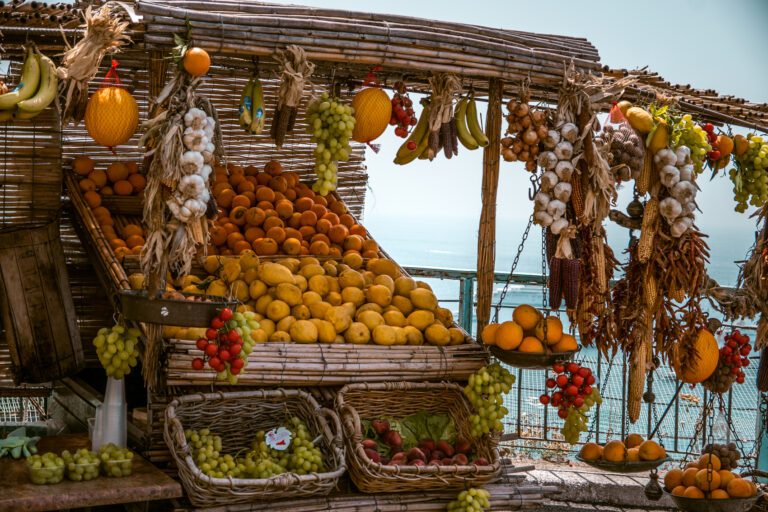
Italian cuisine is arguably the most beloved in the world, and for good reason. Each region has its own culinary identity — Naples gave us pizza, Bologna its rich ragù, Sicily its arancini and cannoli. Italians take their food seriously, with strict unwritten rules about when to eat what: no cappuccino after 11 in the morning, no parmesan on seafood pasta, and absolutely no pineapple on pizza. Meals are social events, often stretching over multiple courses with family and friends around the table.
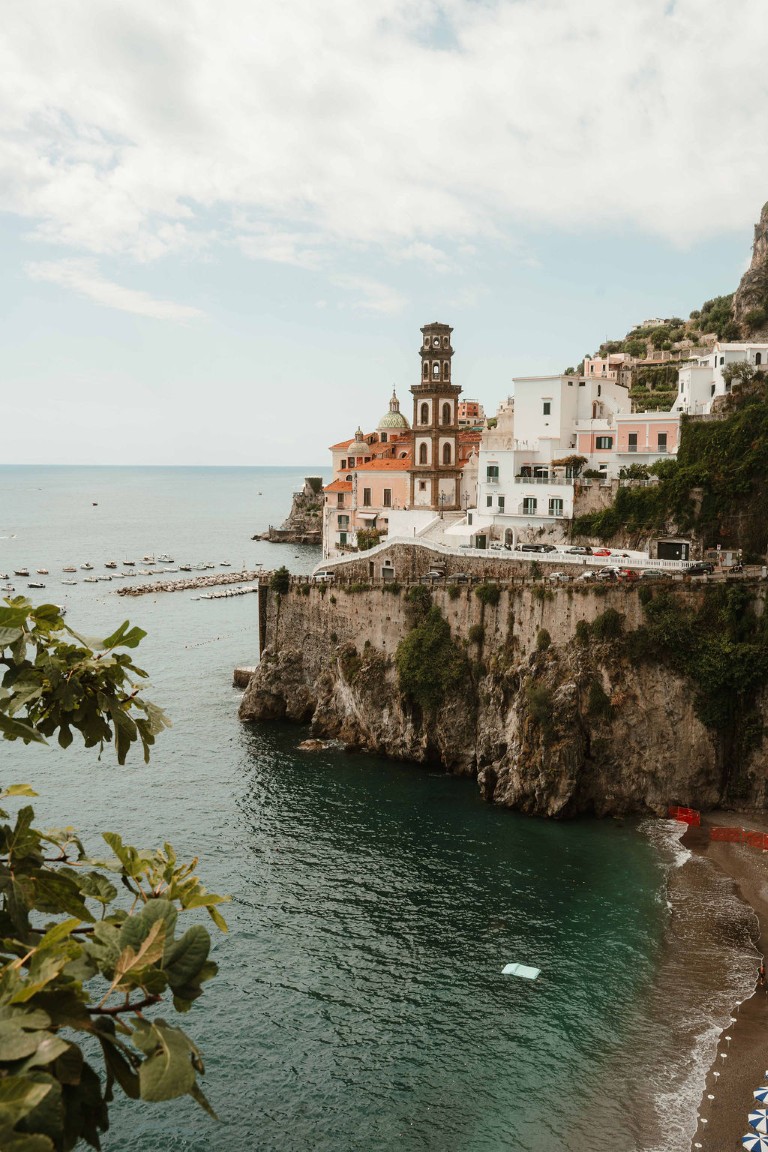
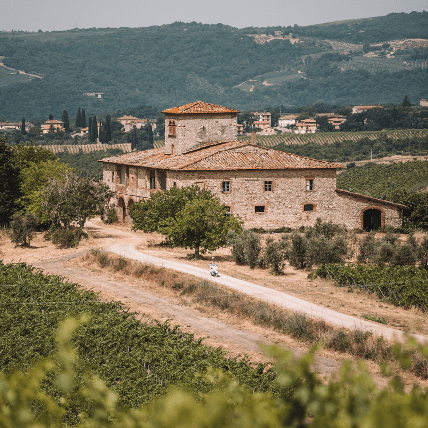
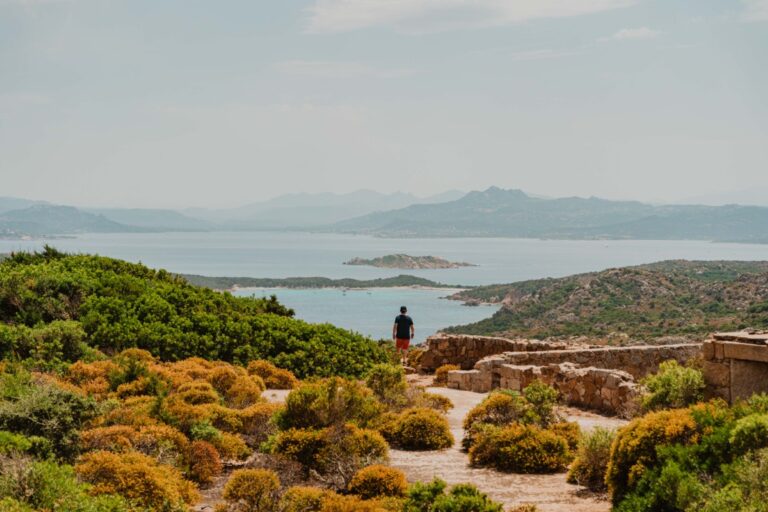
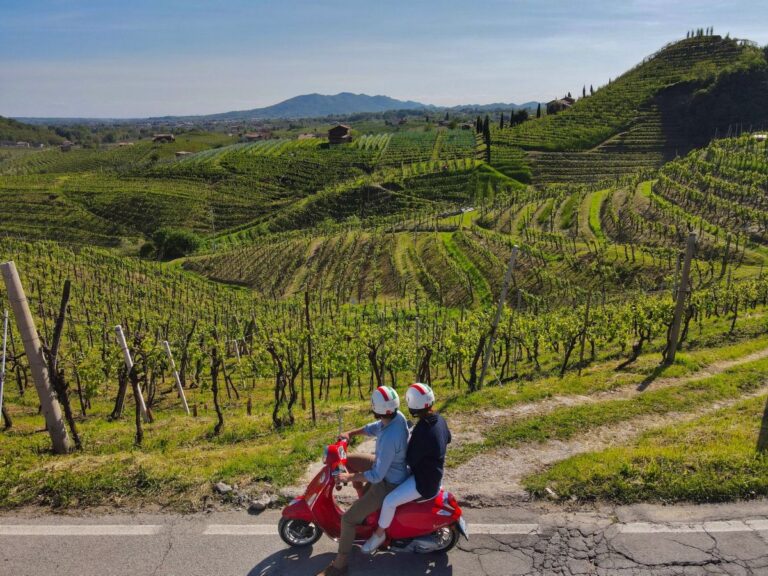
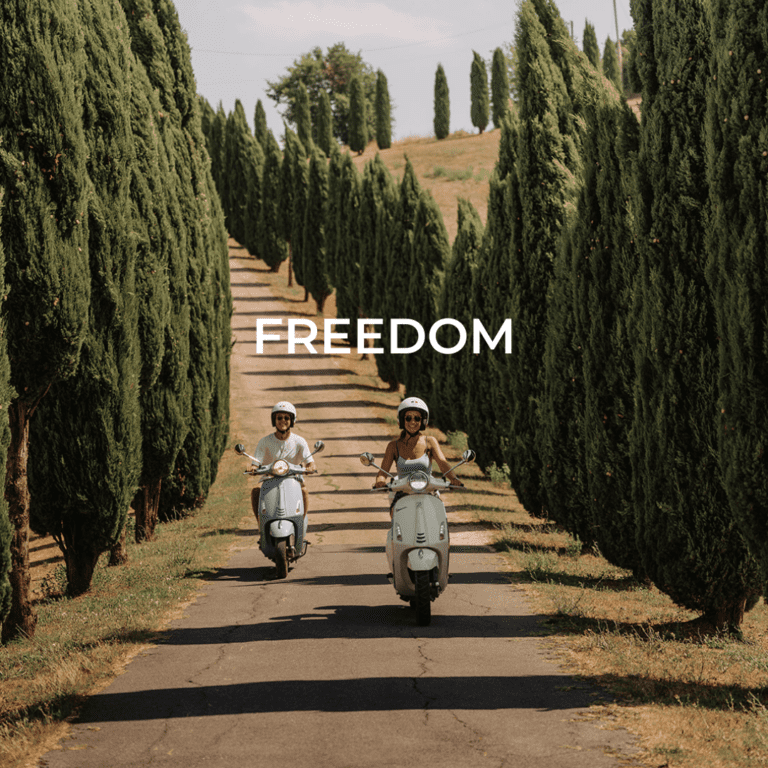
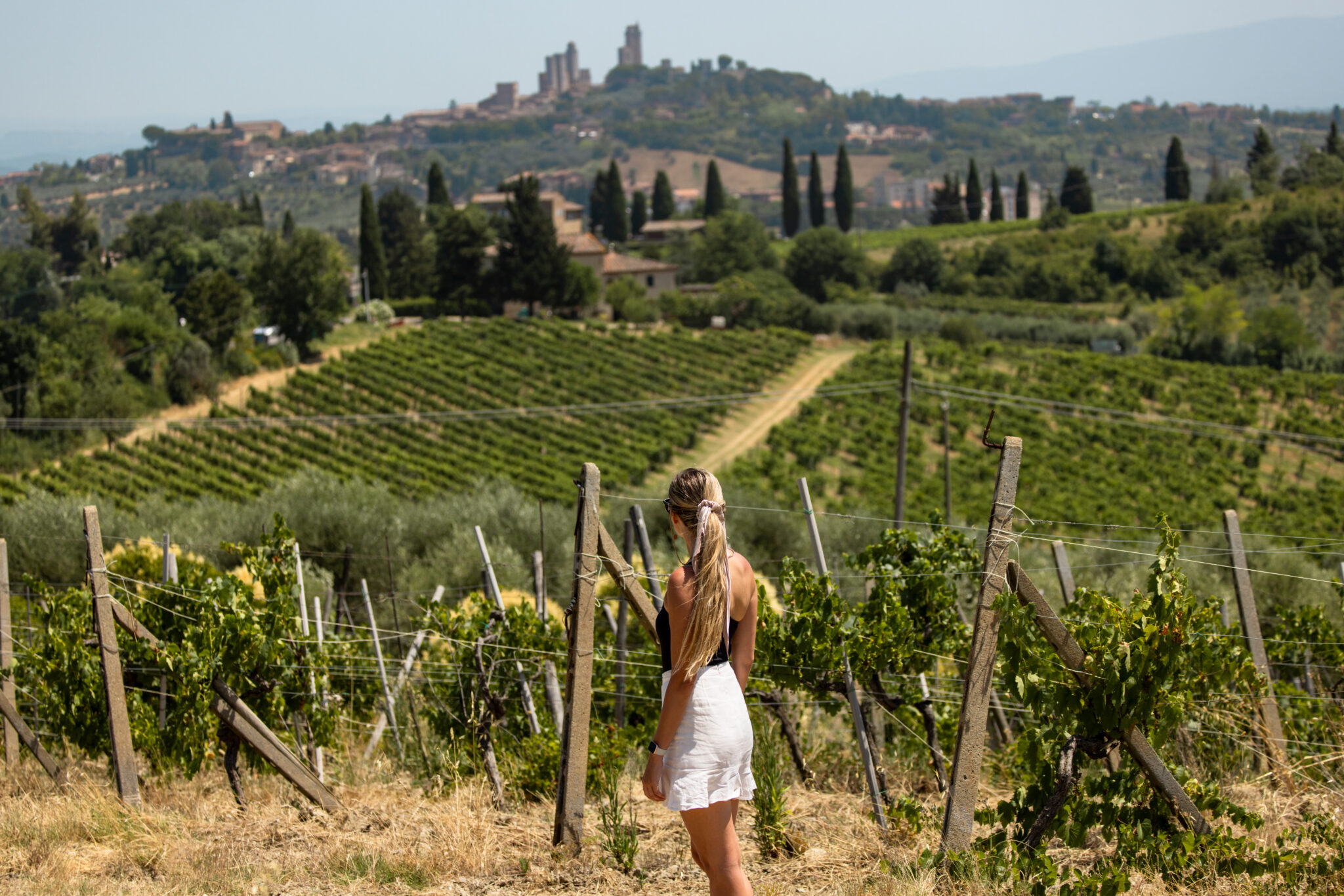
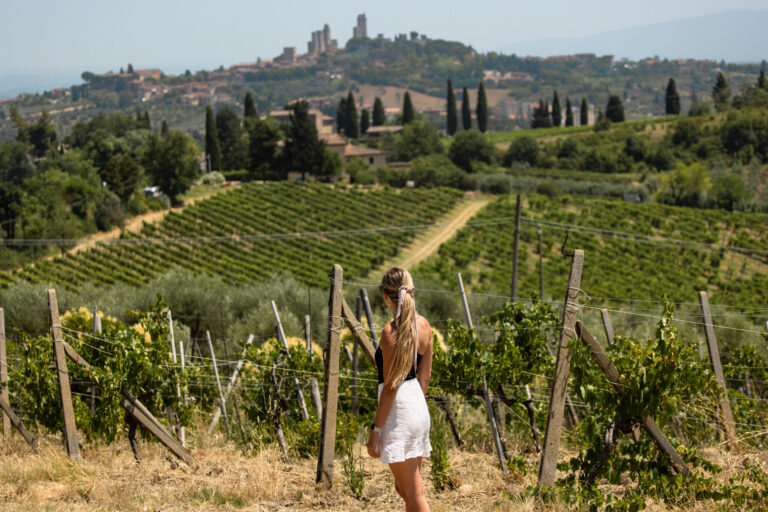
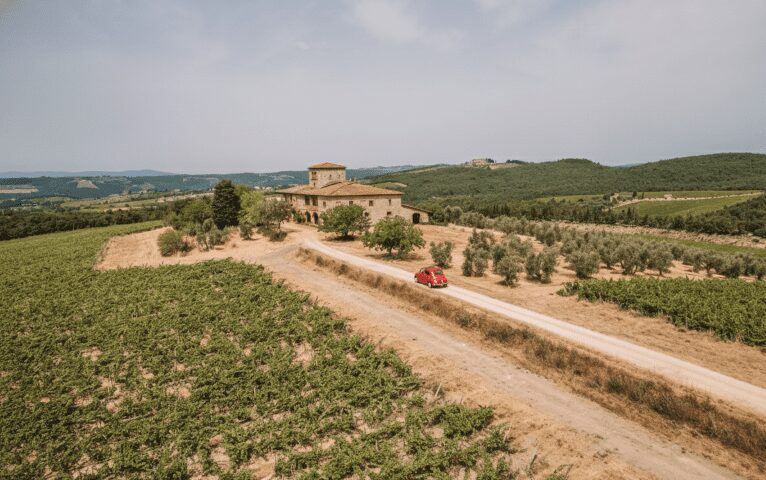
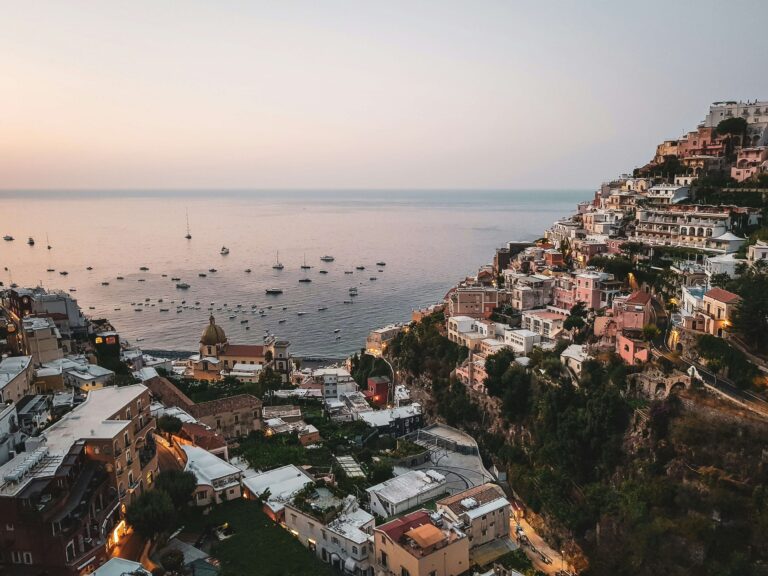
The Italian landscape is remarkably diverse for a country of its size. In the north, the snow-capped Alps and the stunning lakes of Como, Garda, and Maggiore offer dramatic scenery. The rolling hills of Tuscany and Umbria are dotted with vineyards, olive groves, and medieval hilltop towns. Further south, the Amalfi Coast clings to rugged cliffs above turquoise waters, while the islands of Sicily and Sardinia offer wild coastlines and ancient ruins baked in year-round sunshine.
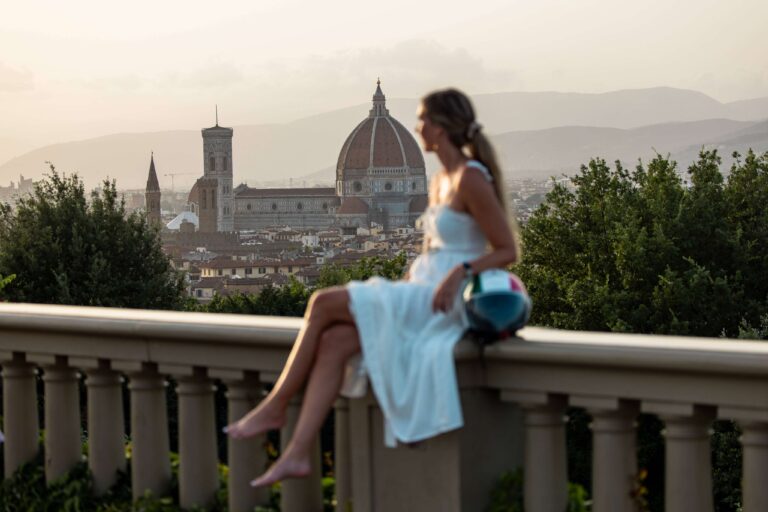
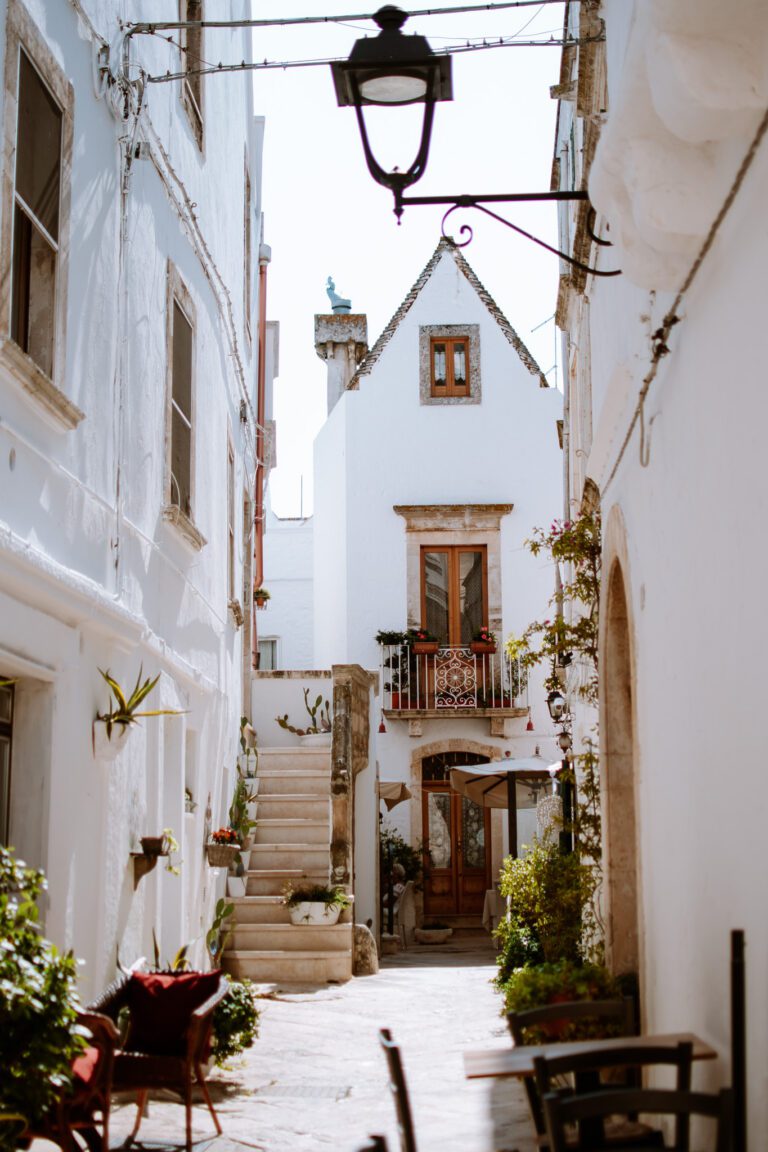
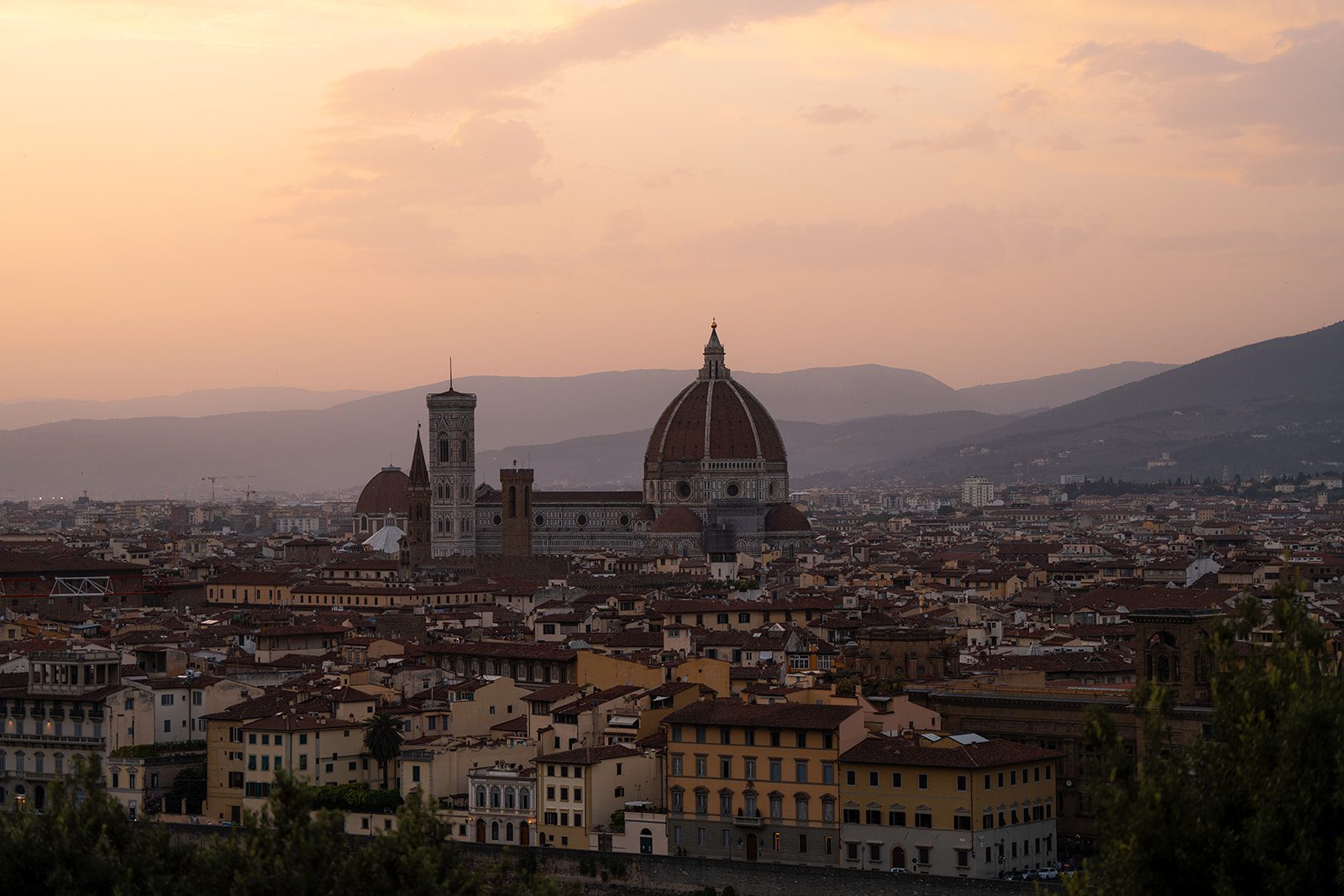
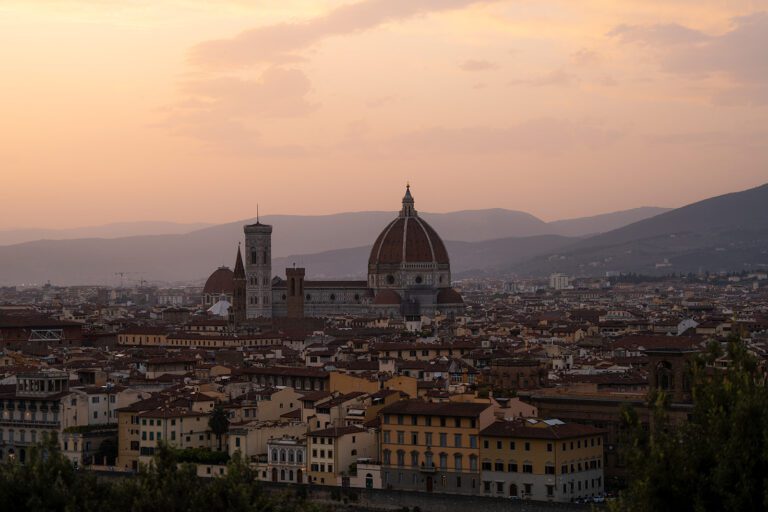
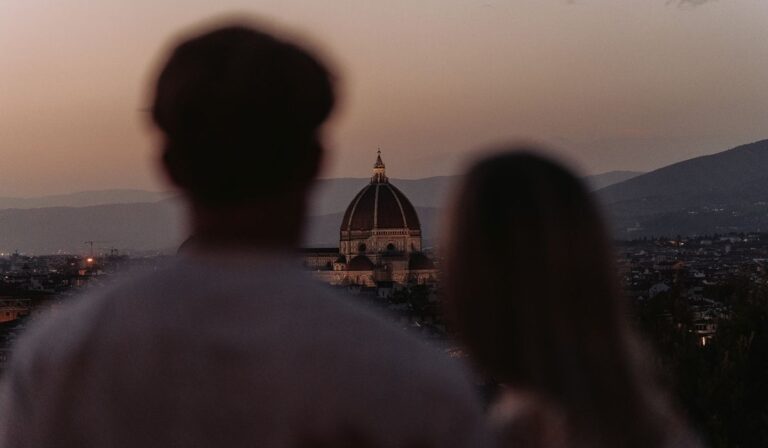
Italy’s contribution to art and architecture is unmatched. Florence alone contains more Renaissance art than most entire countries, with masterpieces by Michelangelo, Botticelli, and Leonardo da Vinci packed into its churches, palaces, and galleries. Venice, built on 118 small islands connected by over 400 bridges, is an architectural marvel that defies logic. From the mosaics of Ravenna to the Baroque churches of Lecce, every corner of Italy tells a story in stone, paint, and marble.
Despite its rich heritage, modern Italy faces real challenges. The economic divide between the industrialized north and the more agricultural south remains significant. Bureaucracy is legendary, and political instability has been a constant theme — Italy has had over 70 governments since World War II. Yet Italians navigate it all with a characteristic blend of pragmatism and joy, embodied in the concept of la dolce vita — the sweet life — which prioritizes beauty, pleasure, and human connection above all else.